CVC boxes are one of those quiet classroom wins. No bells. No whistles. Just solid phonics practice that helps students connect sounds to letters in a hands-on way that sticks.
If you’ve ever watched a student say the sounds, touch the letters, and build the word—you already know why this activity works. CVC boxes slow kids down just enough to help them hear each sound and place it where it belongs.
Used as center task cards, CVC boxes become an easy, repeatable routine that supports early readers without adding to your prep load.
What Are CVC Boxes?
CVC boxes are a phonics activity where students build consonant-vowel-consonant words using individual letter pieces. Each word is broken into three boxes—one for the beginning sound, one for the middle vowel, and one for the ending sound.
Students might:
- Say the word aloud
- Stretch the sounds
- Place a plastic letter in each box
- Read the word back once it’s built
This structure makes phonics visible. Students can see that words are made of individual sounds placed in order.
Why CVC Boxes Are So Effective for Early Readers
CVC boxes align beautifully with the Science of Reading because they reinforce phonemic awareness and phonics at the same time.
Here’s why teachers and parents keep coming back to them:
They Strengthen Sound-to-Letter Connections
Students isolate each phoneme and match it to a grapheme. That’s foundational reading work.
They Reduce Guessing
Instead of memorizing or guessing from pictures, students focus on decoding one sound at a time.
They Support Struggling Readers
The visual boxes provide structure. Students know exactly where each sound belongs, which builds confidence.
They Encourage Oral Language
Students say the sounds, blend the word, and often reread it multiple times without prompting.
Why CVC Boxes Work So Well as Center Task Cards
Turning CVC boxes into center task cards makes them even more effective—and far easier to manage.
Predictable Routine = Student Independence
Once students know the routine, they can complete the task without constant teacher support.
Perfect for Small Groups or Literacy Centers
You can use the same format across different word sets, which keeps centers calm and focused.
Easy to Differentiate
Swap the word cards—not the activity. Students at different levels can work side by side using the same structure.
Low-Prep, High-Value
Laminate the task cards once. Add plastic letters. You’re done.
How to Use CVC Box Task Cards in the Classroom
CVC box task cards are flexible enough to fit into almost any early literacy block.
Literacy Centers
Set up a bin with task cards, letter pieces, and a dry-erase marker if students will write the word after building it.
Small-Group Instruction
Use the cards to guide decoding practice while you listen and prompt as needed.
Intervention Time
Because the task is clear and repeatable, students can focus on the skill—not the directions.
Morning Work or Early Finisher Activity
Students can grab a card, build a word, and clean up independently.
What Students Are Practicing with CVC Boxes
This simple activity covers more than it seems.
Students practice:
- Phoneme isolation
- Letter-sound correspondence
- Left-to-right tracking
- Blending sounds into words
- Self-checking by rereading
And because they’re physically manipulating the letters, engagement stays high—especially for younger learners.
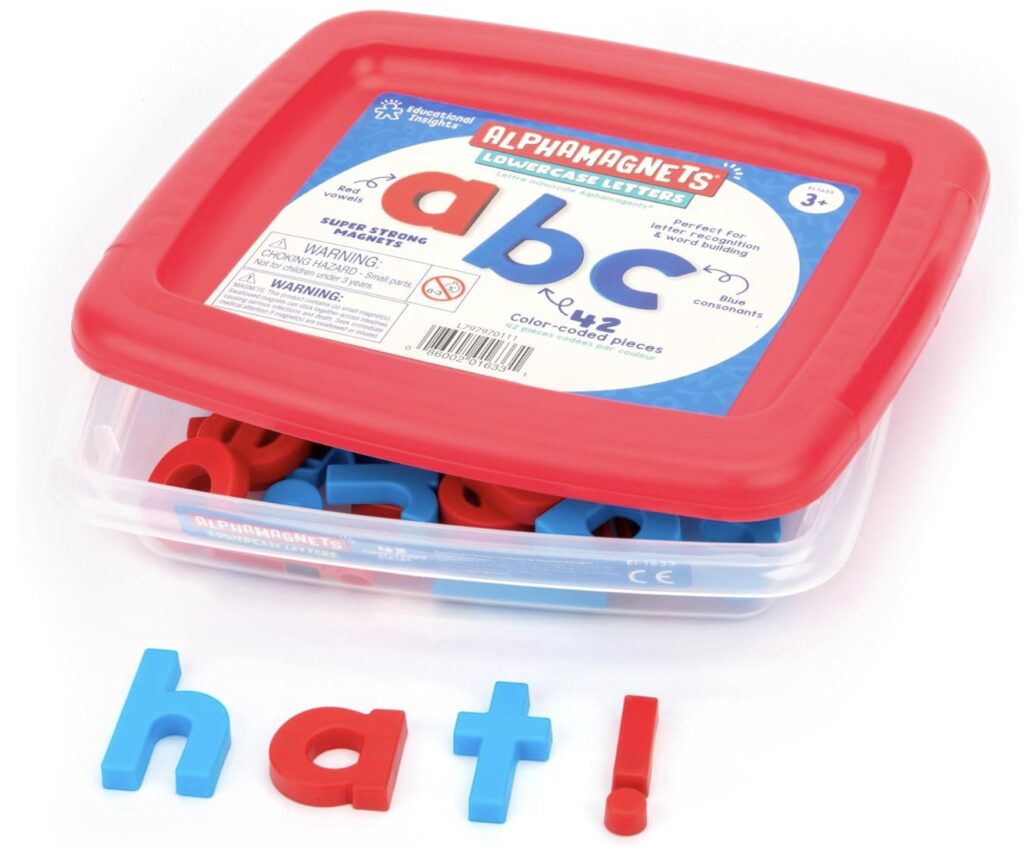
Using Plastic Letter Pieces: Why Hands-On Matters
Plastic letter pieces aren’t just fun—they’re functional.
Hands-on materials help students:
- Stay focused longer
- Process information through movement
- Build muscle memory for letter placement
- Slow down and attend to each sound
For students who struggle with pencil-and-paper tasks, this can be a game-changer.
Free CVC Box Center Task Cards
To help you get started, I’m offering a free set of CVC box center task cards you can use right away.
This free set is designed to:
- Introduce the routine clearly
- Work with plastic letter pieces
- Be easy to prep and reuse
- Fit seamlessly into literacy centers
It’s a great way to see how CVC boxes work in your classroom before committing to a larger set.
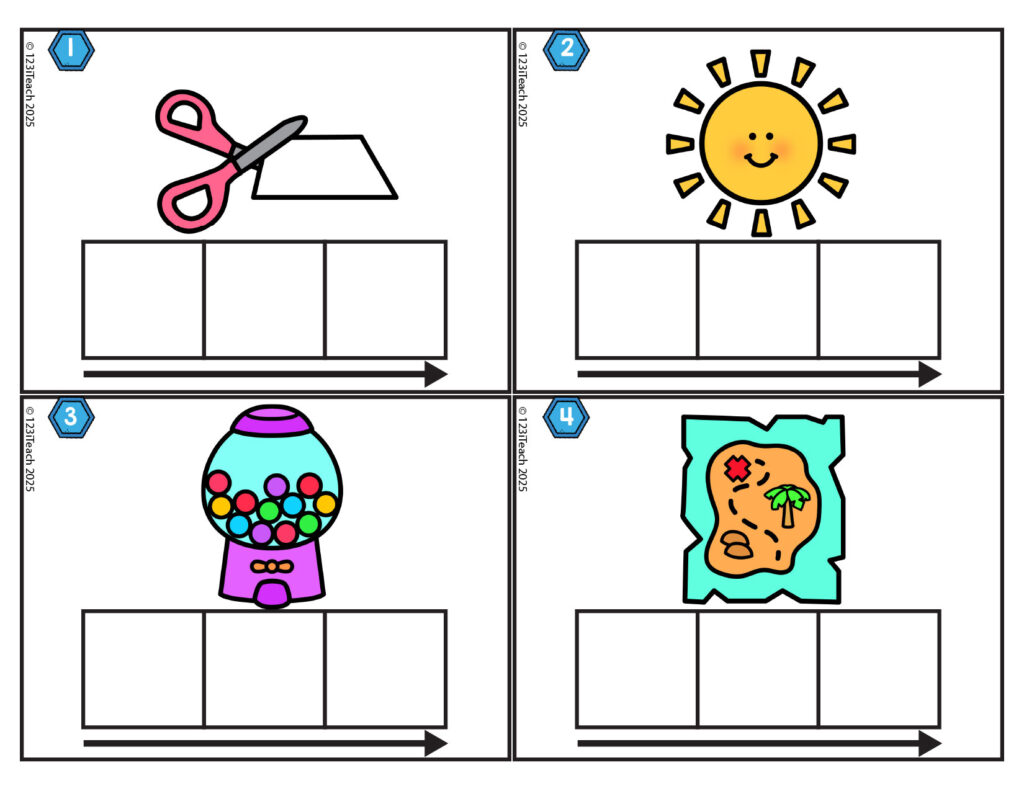
CVC Letter Boxes Center pg 1
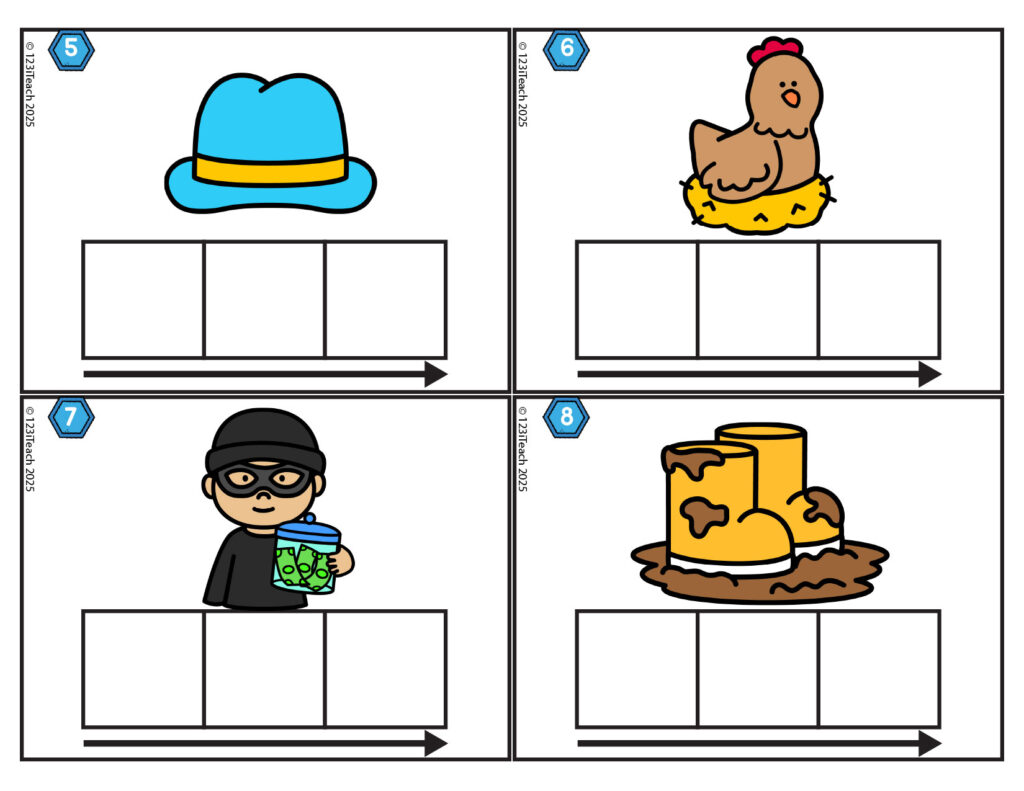
CVC Letter Boxes Center pg 2
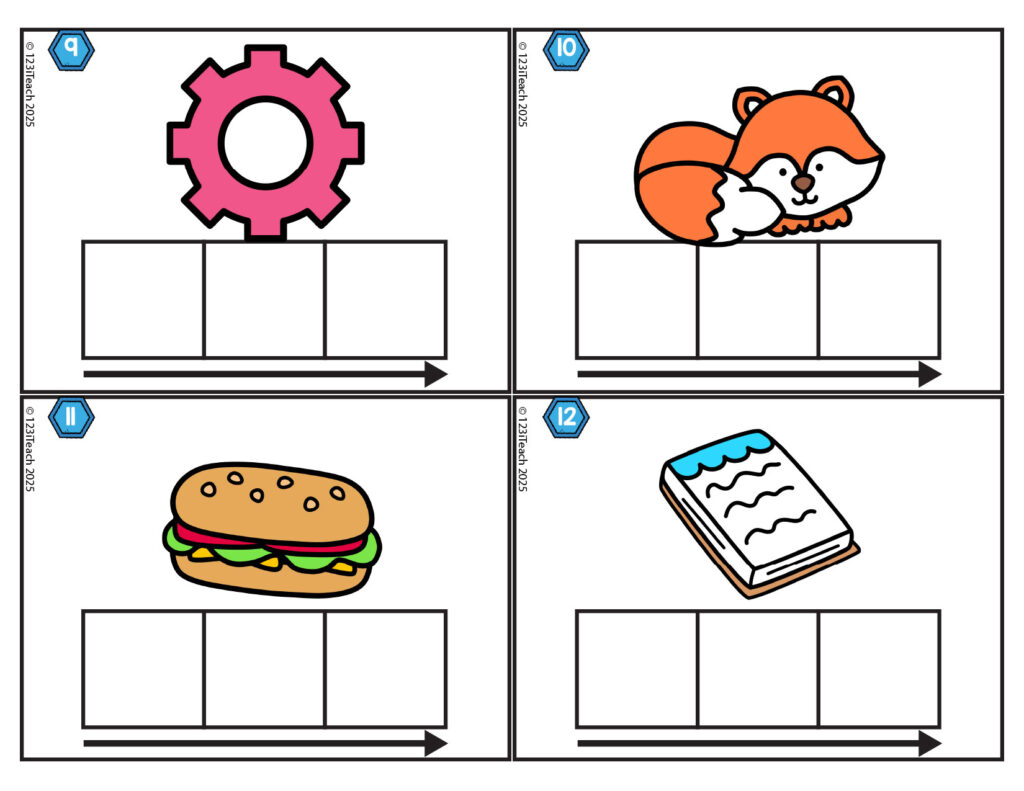
CVC Letter Boxes Center pg 3
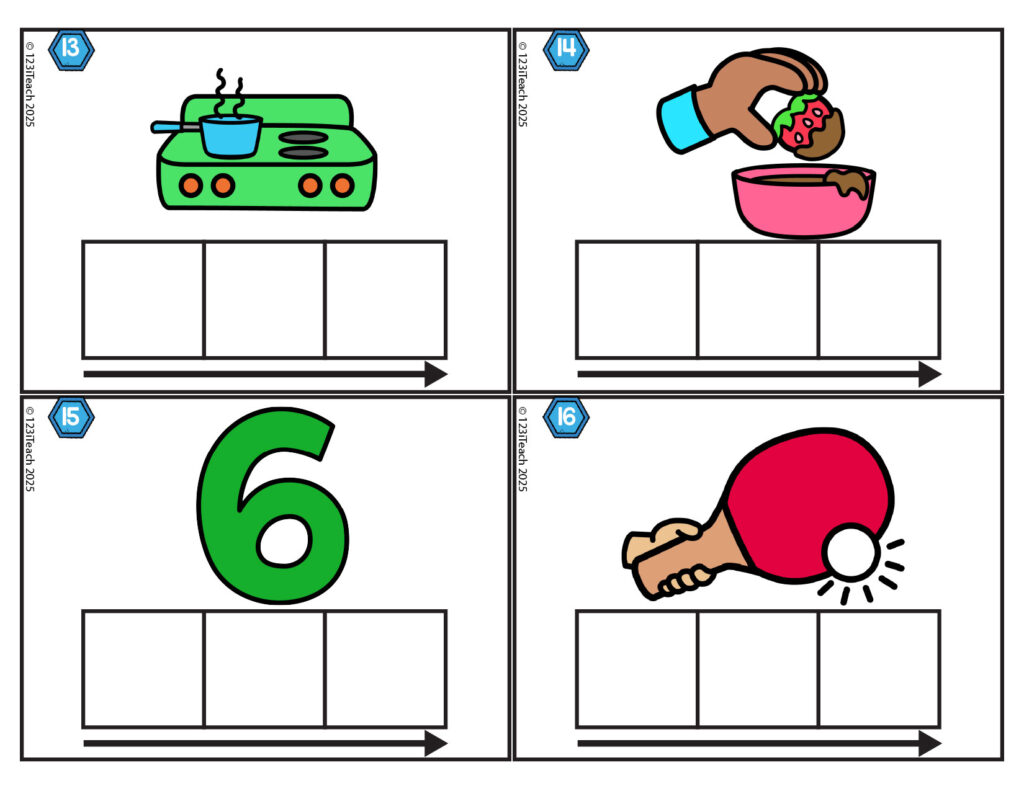
CVC Letter Boxes Center pg 4
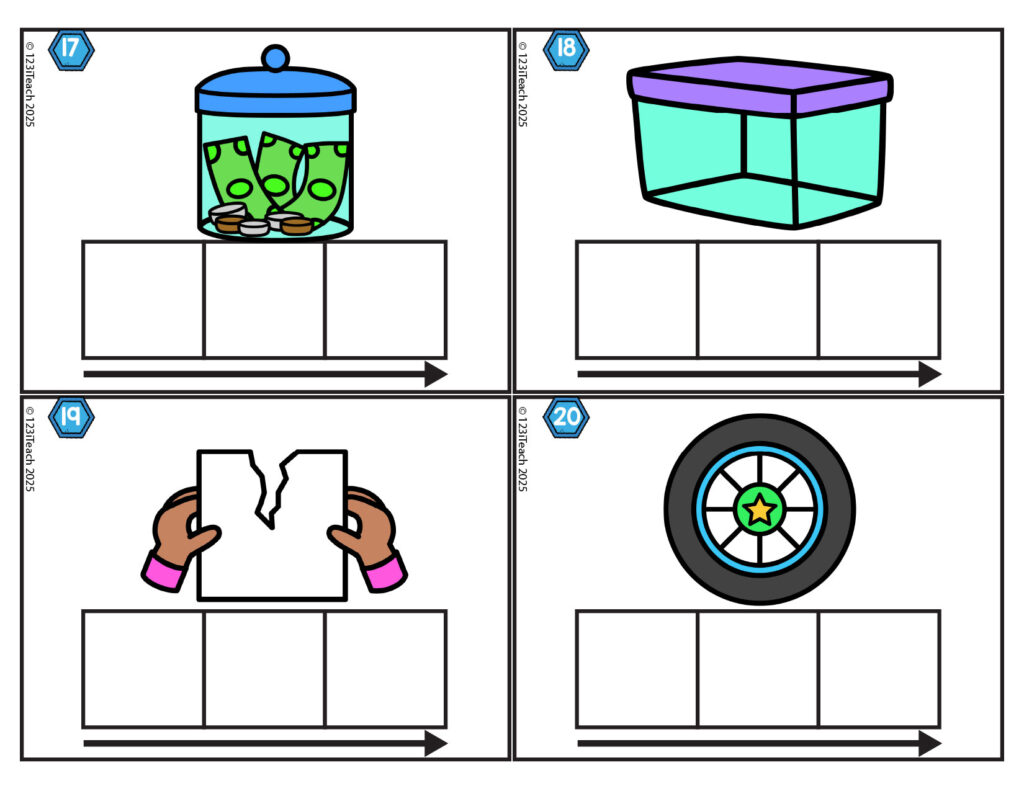
CVC Letter Boxes Center pg 5
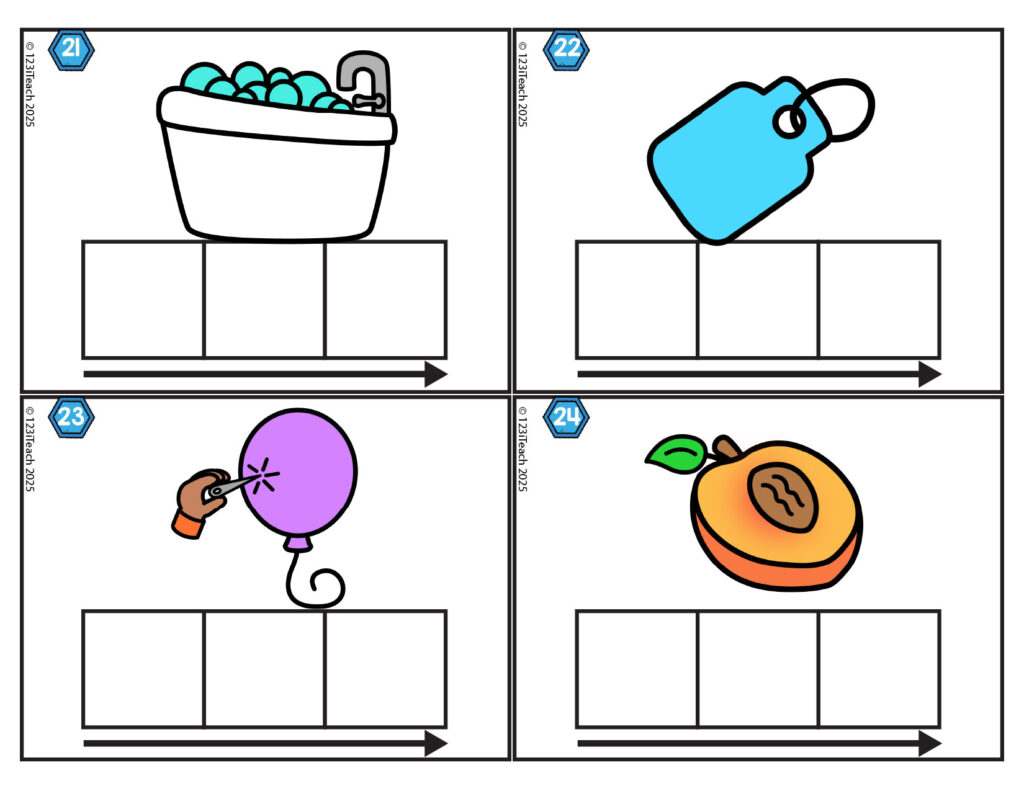
CVC Letter Boxes Center pg 6
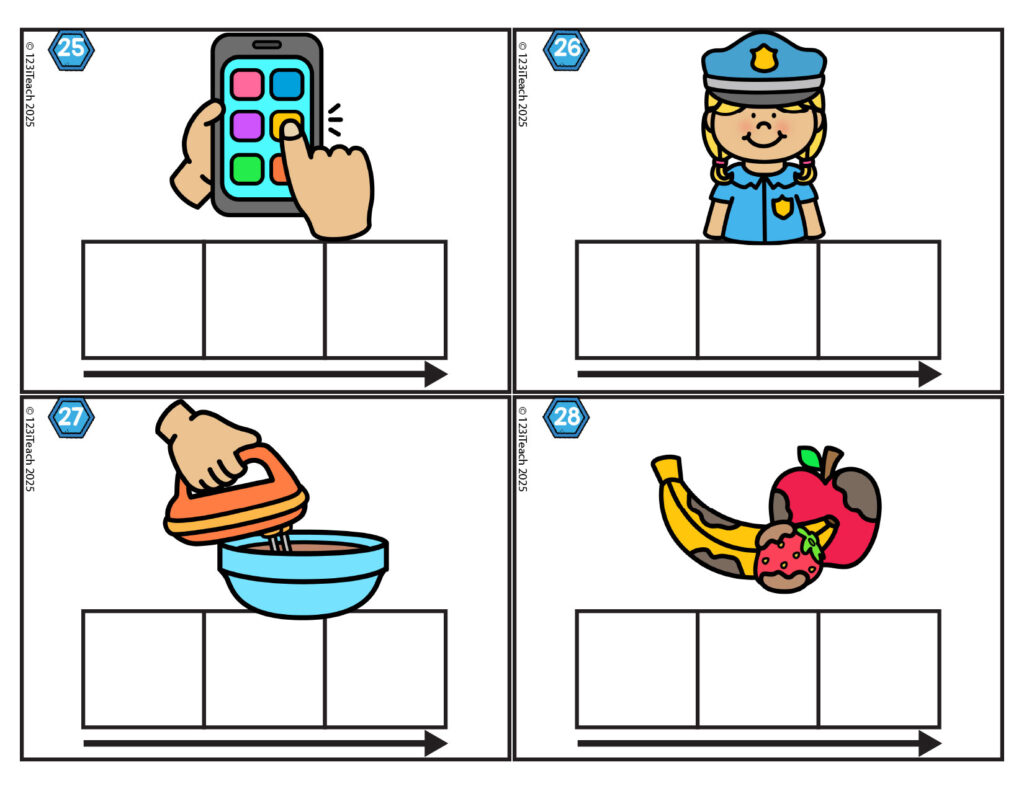
CVC Letter Boxes Center pg 7
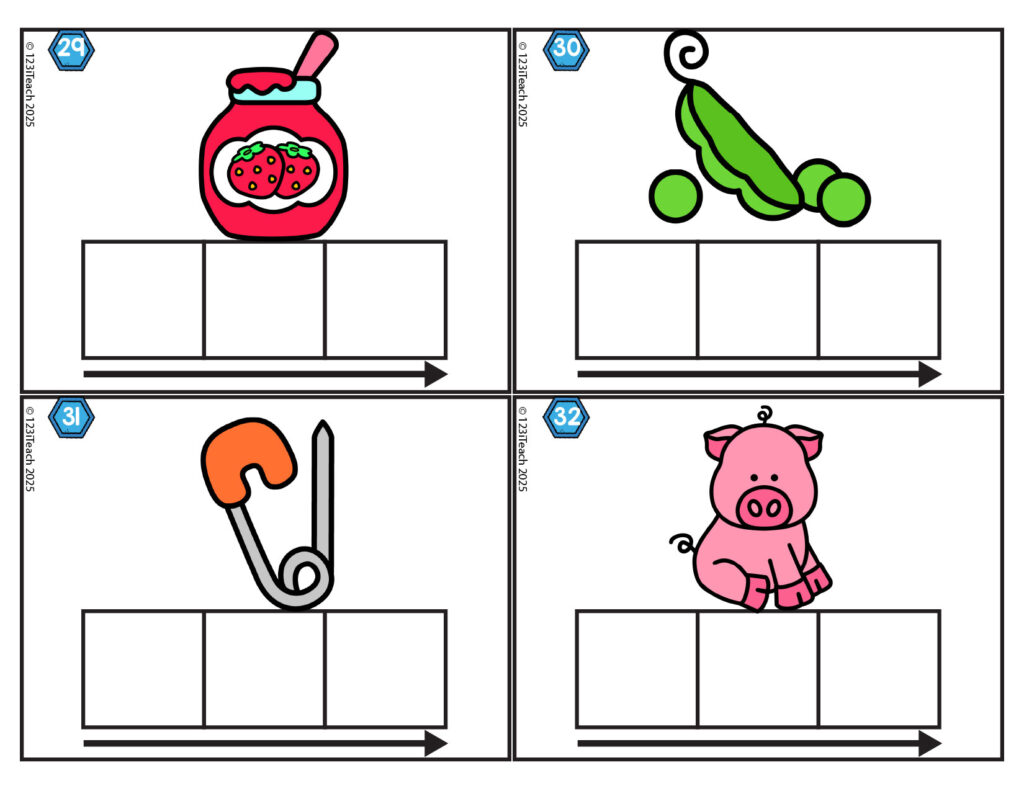
CVC Letter Boxes Center pg 8
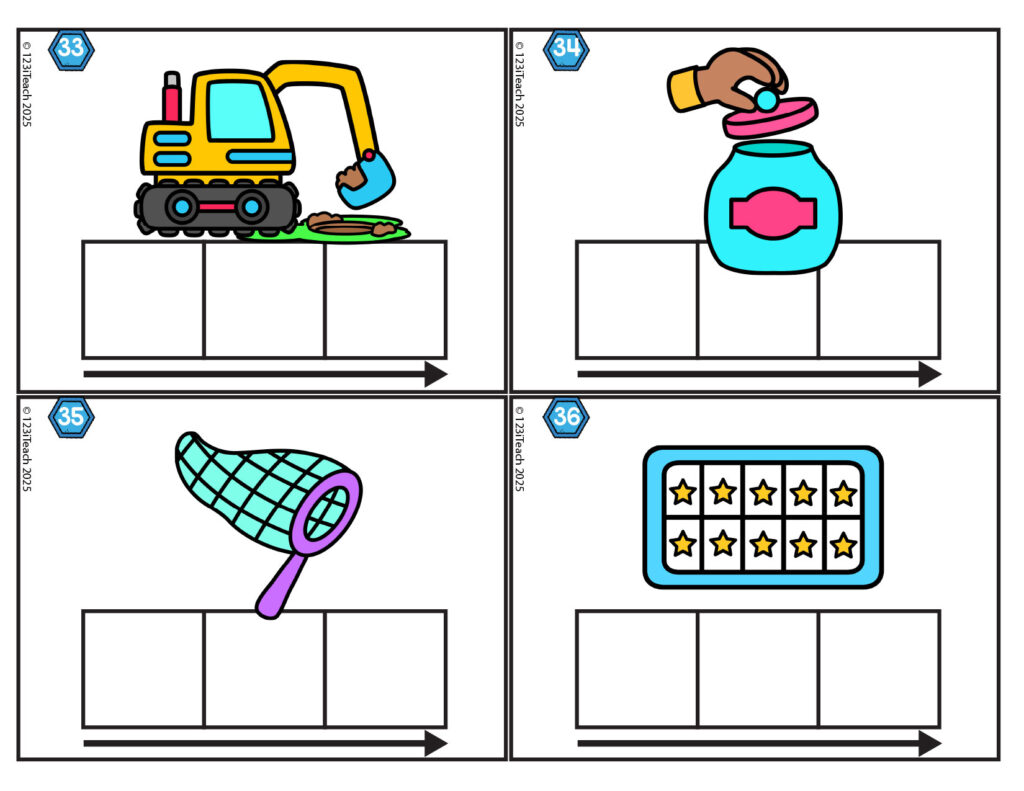
CVC Letter Boxes Center pg 9
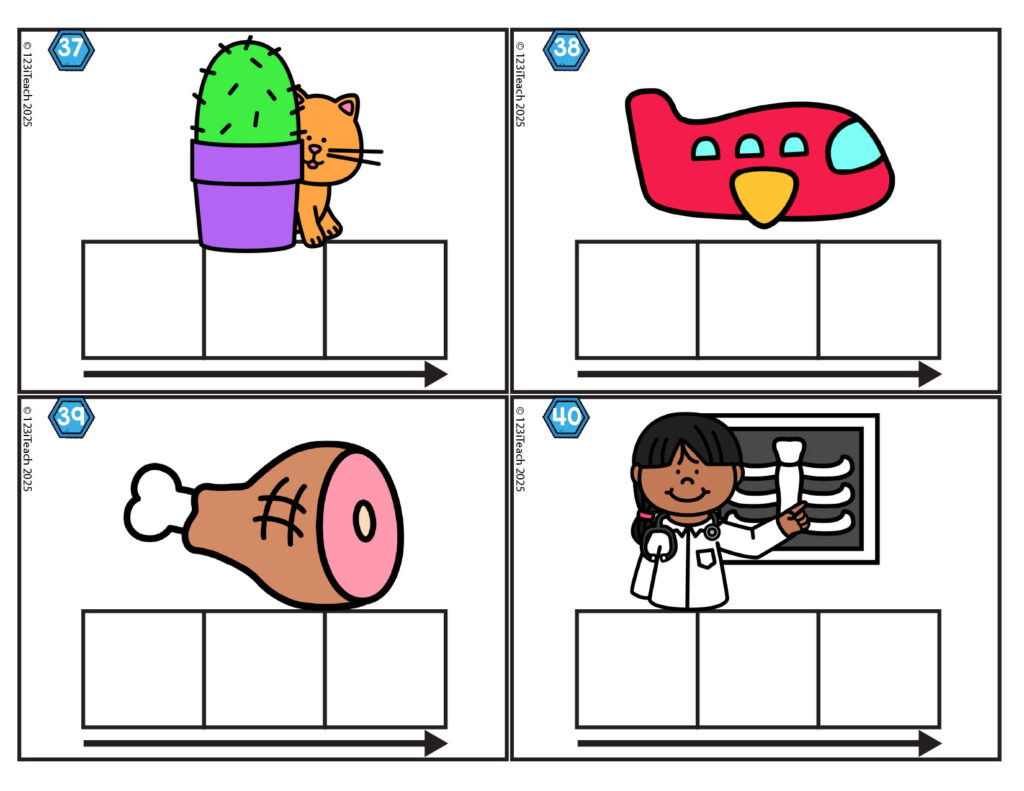
CVC Letter Boxes Center pg 10
Want More CVC-Themed Centers?
If your students respond well to CVC boxes (and they usually do), having multiple CVC-themed centers ready to go makes planning so much easier.
Inside the TPT SHOP, you’ll find:
- Additional CVC box task cards
- A variety of CVC word-building centers
- Coordinated literacy activities that work together
- Resources designed specifically for PreK–2nd grade
Everything is organized, themed, and created to save you time while still delivering meaningful phonics practice.
Instead of scrambling for new center ideas each week, you can pull from a growing library of ready-to-use resources that support early reading skills all year long.
Why Teachers Love Reusable Phonics Centers
Reusable centers like CVC boxes solve a real classroom problem: time.
You don’t need:
- New directions every week
- Complicated setups
- One-off activities that don’t connect
You do need:
- Consistent routines
- Skill-based practice
- Centers students can manage independently
CVC box task cards check every one of those boxes.
CVC Boxes
CVC boxes may look simple, but they’re doing important work.
They help students hear sounds, connect letters, and build real reading skills—without overwhelm. As center task cards, they become a reliable, low-prep tool you can use again and again.
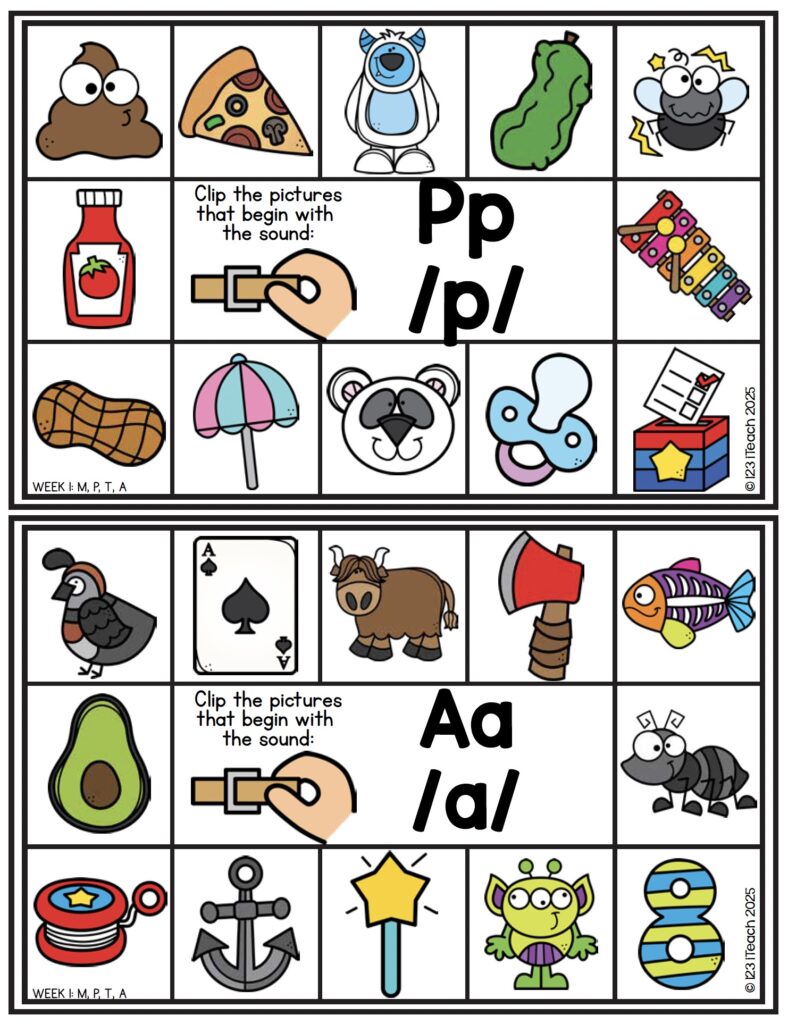
Want even more Pre-K to 2nd ELA Resources?
(there are worksheets, coloring pages, Google Slide activities, centers and more!).
Start with the free set. See how your students respond. And if you’re ready for more structured, themed phonics centers, the 123 iTeach SHOP is there to support you with resources that make teaching early literacy feel manageable again.