R-blends are one of those phonics skills that can either click quickly—or quietly trip kids up for weeks. When students struggle with words like frog, brush, or tree, it’s often because they’re still learning how to hear and blend consonant sounds smoothly. Strong r-blend instruction gives early readers the confidence to decode longer words and read with less effort.
This post breaks down what r-blends are, why they matter, and how to teach them effectively in PreK, Kindergarten, and First Grade. You’ll also find ideas for using printable worksheets, including a free set of 5 r-blend cut and paste worksheets, plus an easy next step for ongoing ELA practice.
What Are R-Blends?
R-blends are consonant blends that include the letter R. In these blends, each sound is heard, but the sounds are said closely together. There is no vowel between the consonants.
Common r-blends include:
- br as in brush
- cr as in crab
- dr as in drum
- fr as in frog
- gr as in grass
- pr as in pretzel
- tr as in tree
For early readers, r-blends are often introduced after students are comfortable with single consonant sounds and basic CVC words. They’re a natural bridge from simple decoding to more complex word reading.
Why R-Blends Matter in Early Literacy
R-blends support several critical reading skills at once. They strengthen phonemic awareness, reinforce phonics patterns, and build decoding stamina.
Students who can confidently read r-blends are better prepared to:
- Read longer words without guessing
- Transition from sounding out every letter to smoother blending
- Build fluency and accuracy during guided reading
If r-blends aren’t taught explicitly, many students will either skip sounds or replace them with easier patterns. Clear, repeated practice prevents those habits from forming.
When to Teach R-Blends
Most classrooms introduce r-blends in Kindergarten or early First Grade, but readiness matters more than grade level. Students should already be able to:
- Identify beginning sounds
- Blend simple CVC words
- Hear and say individual phonemes in a word
For struggling readers, r-blends may need to be revisited multiple times. Short, targeted practice works better than long lessons.
How to Teach R-Blends Effectively
1. Start With Listening and Speaking
Before students read or write r-blends, they need to hear them. Say words slowly and emphasize both sounds in the blend.
Try simple oral activities:
- “Say frog. What sounds do you hear at the beginning?”
- “Is br one sound or two sounds?”
This helps students understand that blends are made of two distinct sounds, not a new letter sound.
2. Use Visual Word Examples
Once students can hear r-blends, connect them to print. Use clear word examples with pictures whenever possible.
Good starter words include:
- br – bread, brown
- tr – train, truck
- fr – frog, fries
Avoid mixing too many blends at once. Focus on one or two blends until students show confidence.
3. Provide Structured Worksheet Practice
Worksheets are most effective when they are simple, focused, and developmentally appropriate. Look for activities that ask students to:
- Circle or color words with a target r-blend
- Match pictures to r-blend words
- Trace or write r-blend words
- Read and identify the correct blend
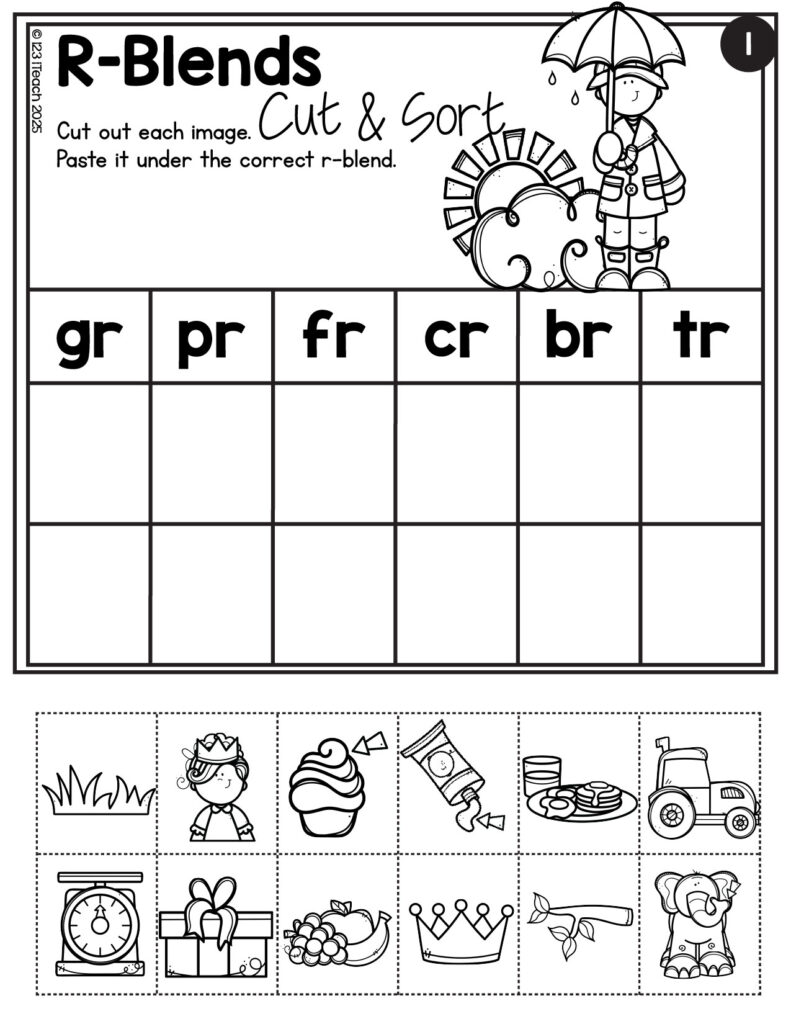
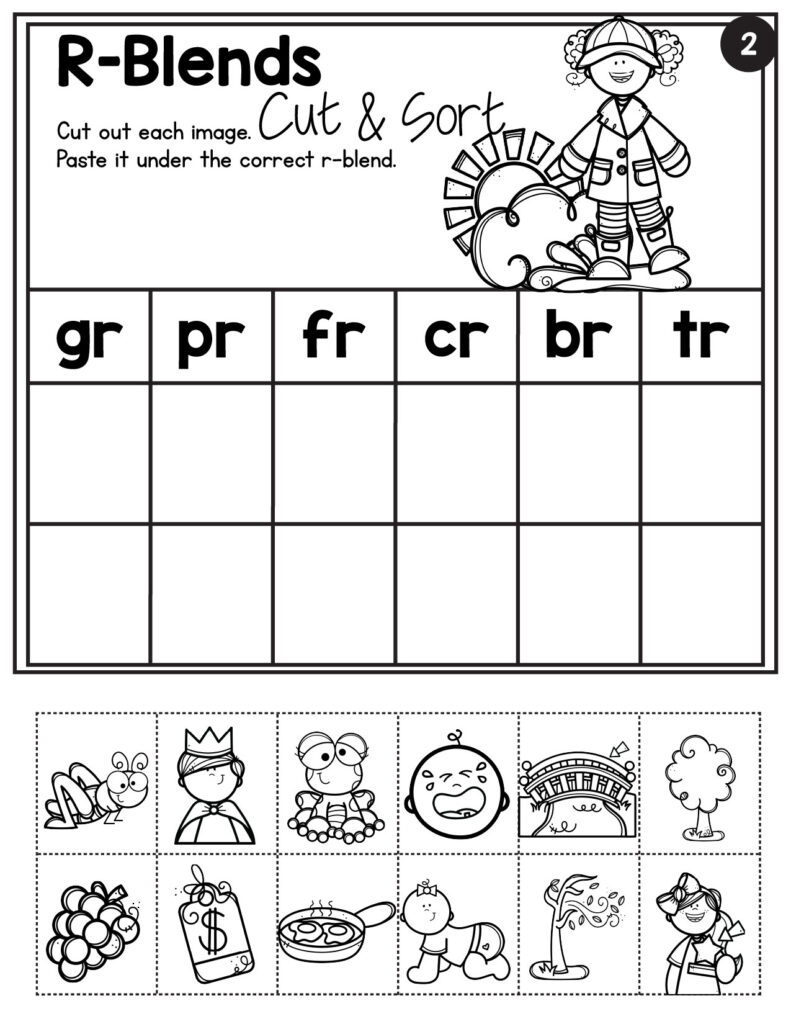
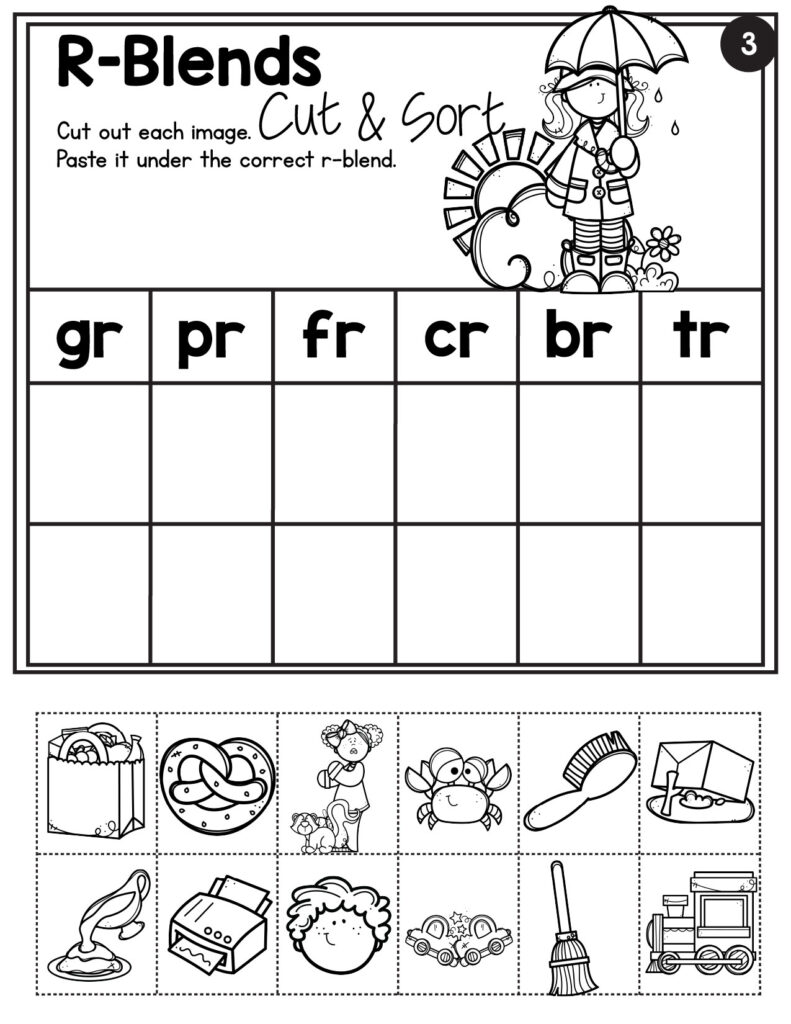
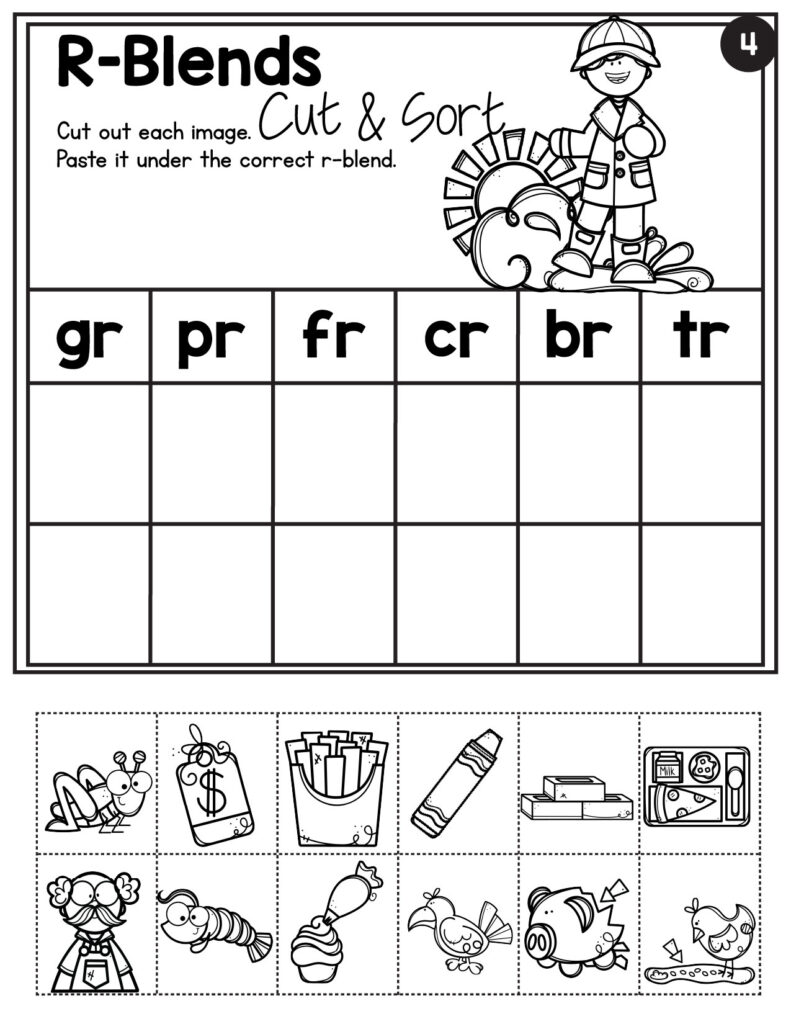
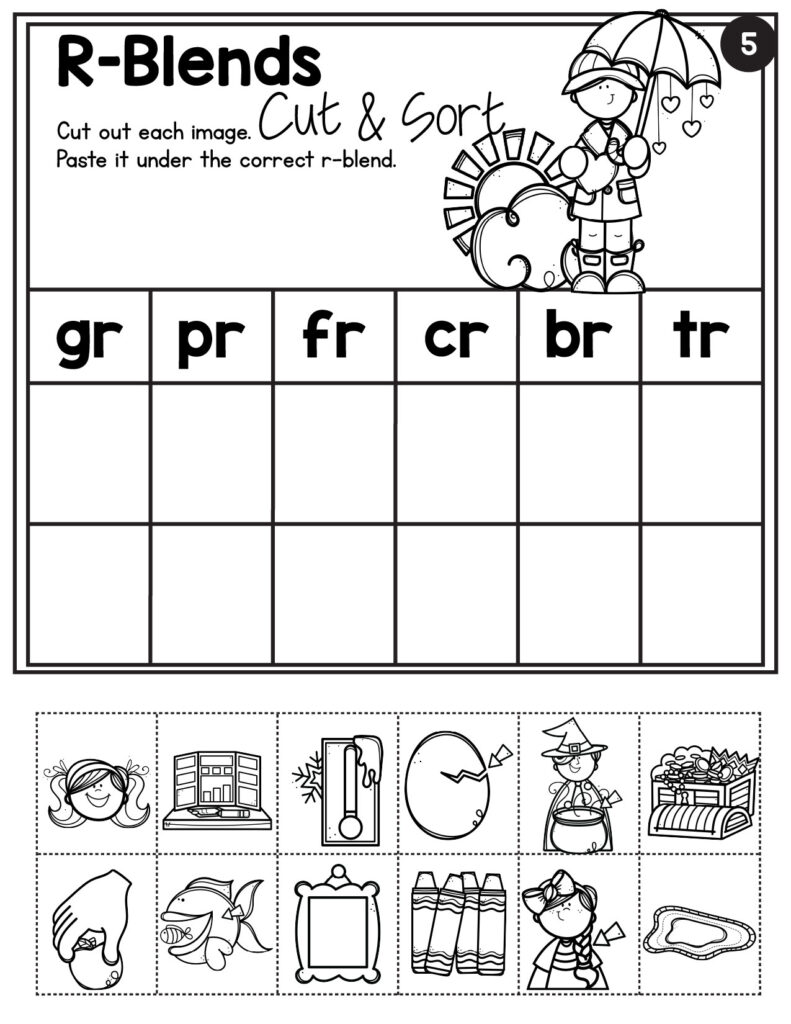
The free 5 r-blend worksheets you’re offering are perfect for this stage. They give students repeated exposure without overwhelming them, making them ideal for centers, small groups, or homework.
Using R-Blend Worksheets in the Classroom or at Home
R-blend worksheets are flexible tools. They work just as well in a busy classroom as they do at the kitchen table.
Here are a few easy ways to use them:
- Literacy centers: Independent practice while you work with small groups
- Morning work: A calm, familiar routine that reinforces phonics
- Intervention: Targeted support for students who need extra repetition
- Homework: Skill-based practice parents can understand and support
Because r-blends require repetition, having multiple worksheet formats helps keep practice fresh while reinforcing the same skill.
Common Mistakes to Watch For
When students struggle with r-blends, it’s usually for one of these reasons:
- They are dropping one of the consonant sounds
- They are adding a vowel between the consonants
- They are guessing based on the picture instead of decoding
If you notice these patterns, slow things down. Go back to oral blending, model the sounds clearly, and use fewer words at a time.
Differentiating R-Blend Practice
Not all students need the same level of support. Differentiation makes r-blend instruction more effective and less frustrating.
You can differentiate by:
- Offering tracing pages for developing writers
- Using cut-and-paste or matching activities for hands-on learners
- Providing sentence-level reading for advanced students
- Limiting the number of blends per page for struggling readers
This is where having access to a larger library of ELA resources makes a big difference.
Ready for More ELA Practice?
The free r-blend worksheets are a great starting point, but consistent growth comes from ongoing, connected practice. Inside 123 iTeach SHOP, you’ll find more ELA resources designed specifically for PreK through 2nd grade.
The shop includes:
- Phonics worksheets that build skills step by step
- Literacy activities that reinforce the same patterns in multiple ways
- Monthly themed resources that keep practice engaging
- Materials created to work for classrooms, homeschoolers, and intervention
Everything is organized so you can spend less time planning and more time teaching.
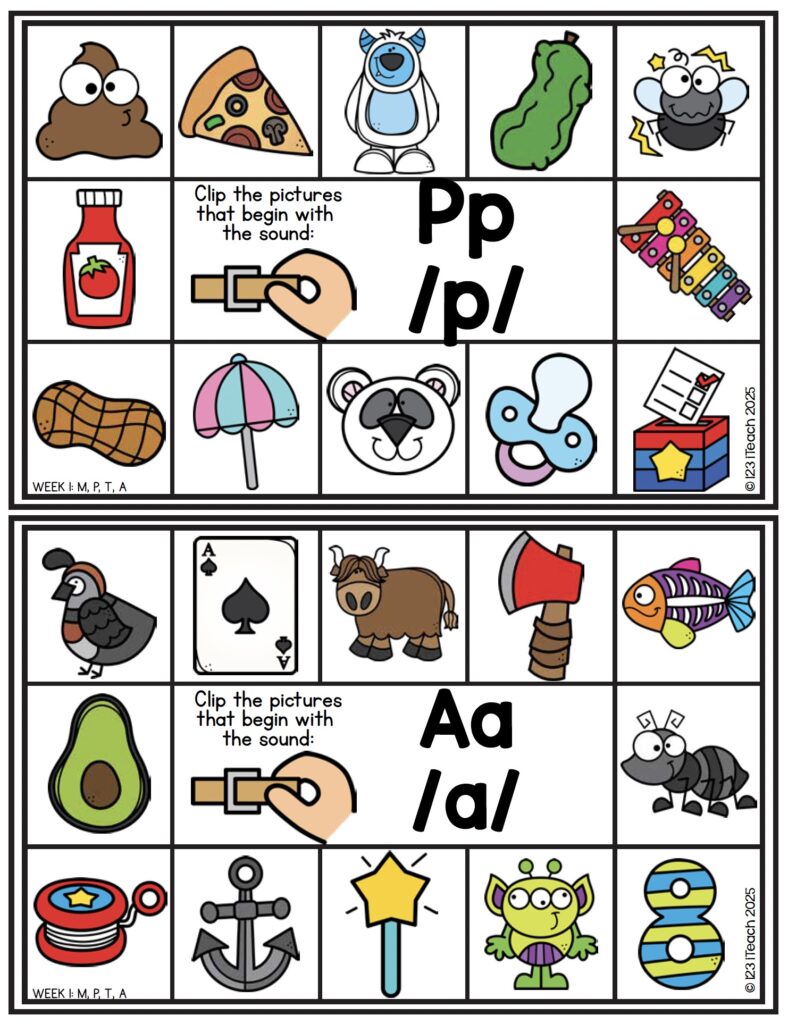
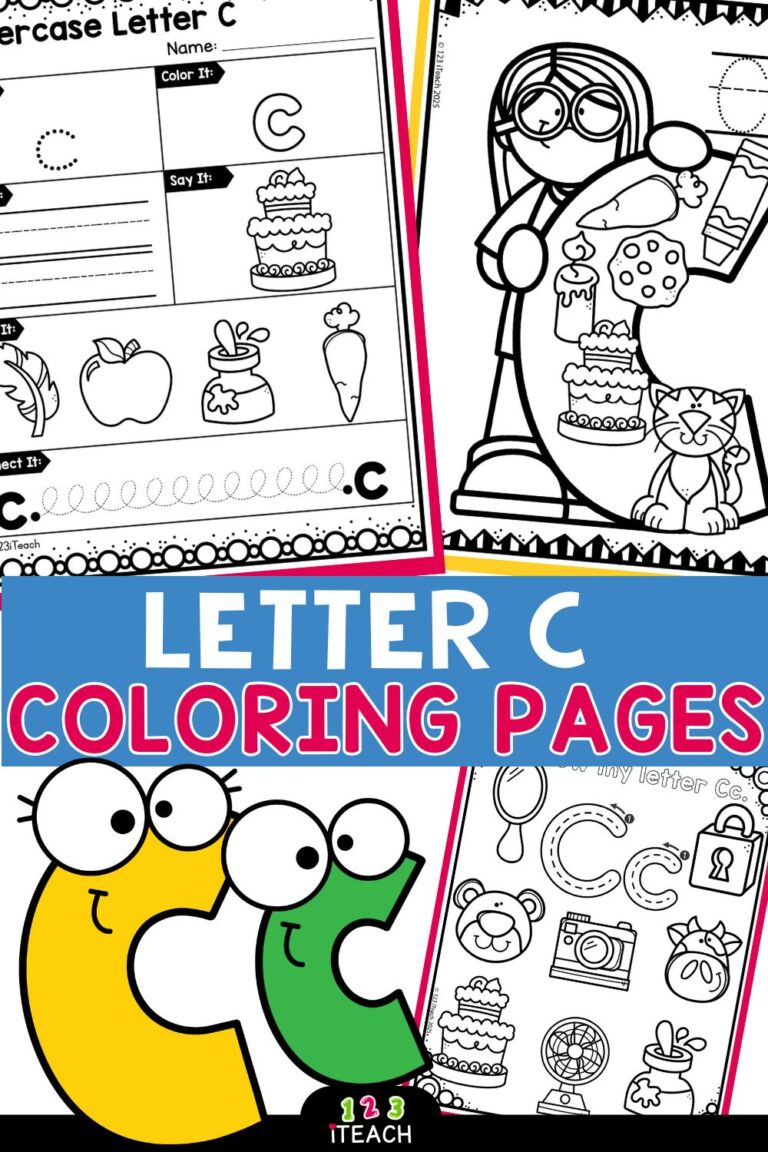
Want even more Pre-K to 2nd ELA Resources?
(there are worksheets, coloring pages, Google Slide activities, centers and more!).
Thoughts on Teaching R-Blends
R-blends don’t need to be complicated. With clear instruction, repeated exposure, and the right practice tools, students can master them with confidence.
Start with listening, move into reading, and reinforce with purposeful worksheets. Whether you’re using the free r-blend worksheets or building a full literacy routine, consistent practice is what helps early readers succeed.
Please provide the answer key for the first worksheet please.
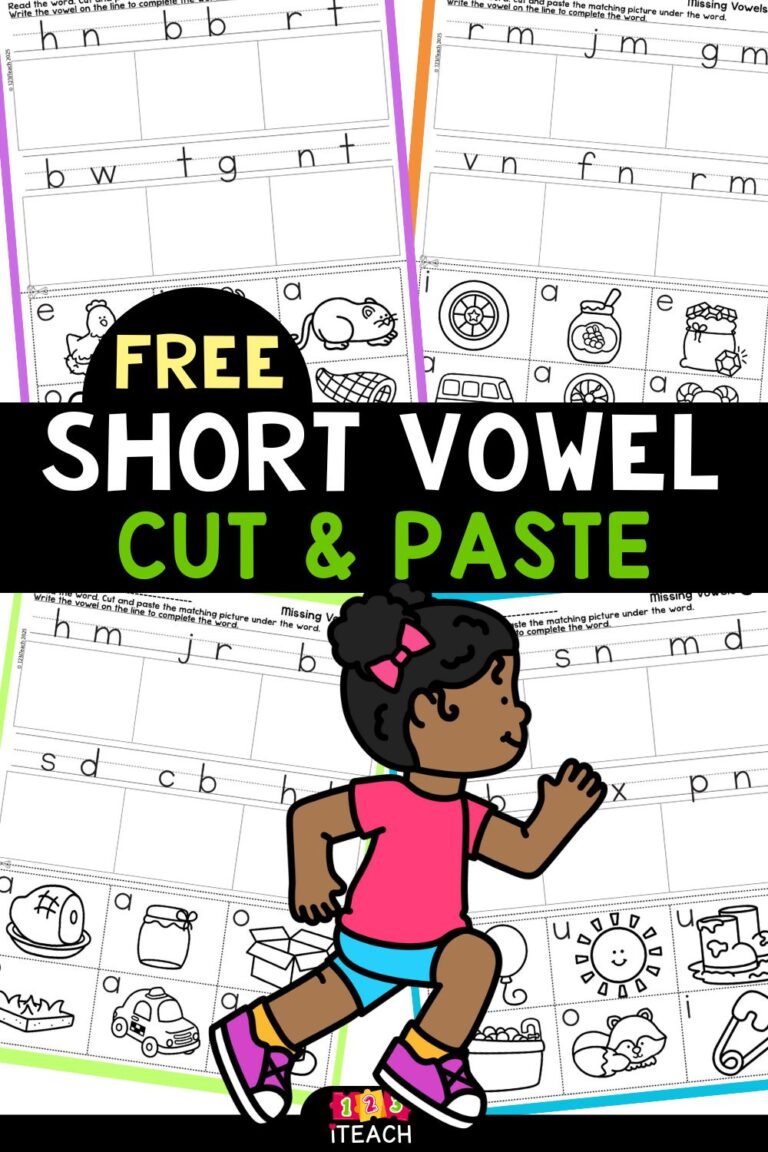
The worksheet is set up as the answer key as well. Each image is already in the correct position (just follow the column down)…once students cut them apart and they are mixed up, then they sort.